





7 Signs Your Jeep Wrangler Needs New Suspension Components [2026]
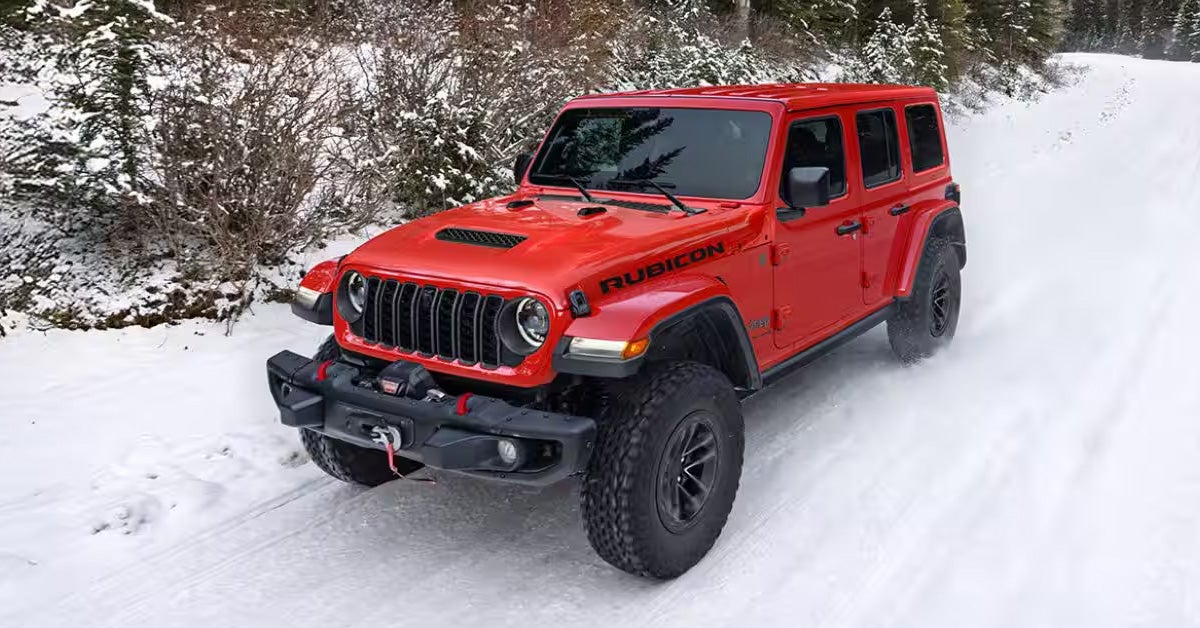 Your Jeep Wrangler may need new suspension components if you notice excessive body roll, uneven tire wear, a rough or bouncy ride, steering instability, nose-diving during braking, or visible damage to shocks, springs, or other suspension parts. Addressing these warning signs early can improve ride quality, maintain safe handling, and help prevent more costly repairs, whether you drive on the highway or venture off-road.
At McCall Motors, we are proud to help drivers with everything from finding the right Jeep Wrangler to keeping it performing at its best with expert maintenance, genuine parts, and professional repairs. Whether you need a suspension inspection, routine service, or assistance with a new vehicle, our team is here to help. Contact or visit McCall Motors today to keep your Wrangler ready for every mile ahead.
One of the earliest Jeep Wrangler suspension problems many drivers notice is excessive body roll while turning. Although every Wrangler leans slightly in corners, it should still feel balanced and controlled. If your vehicle begins to lean more than usual, especially during everyday turns or highway ramps, worn suspension components may no longer be providing the stability they were designed to deliver.
Several suspension parts can contribute to increased body roll as they wear over time, including:
- Worn shocks that can no longer absorb road impacts effectively.
- Damaged sway bar links or bushings that reduce cornering stability.
- Weak coil springs that allow the vehicle to lean excessively.
- Loose suspension hardware that affects overall handling.
2. Uneven Tire Wear Caused by Suspension Problems
Uneven tire wear is often one of the clearest signs that something is wrong with your Wrangler's suspension. When suspension components begin to wear out, the tires may no longer maintain consistent contact with the road. Instead of wearing evenly across the tread, certain areas of the tire can wear down much faster, reducing traction and shortening tire life.Watch for these common tire wear patterns:
- Excessive wear along the inside or outside edge of the tire.
- Cupped or scalloped spots across the tread.
- One tire is wearing noticeably faster than the others.
- Premature tire replacement despite regular maintenance.
3. A Rough, Bouncy, or Floaty Ride
Your Wrangler is built to handle everything from daily commutes to rugged trails, but it should never feel unstable or uncomfortable on the road. If every bump feels unusually harsh, or the vehicle continues to bounce after hitting a dip, it may be time to inspect the suspension system. A floaty feeling at highway speeds can also indicate that key components are no longer controlling the vehicle's movement as they should.One of the most common causes is worn Jeep Wrangler shocks and struts. These components help absorb impacts and keep the tires in contact with the road.
As they wear out, you may notice symptoms such as:
- Excessive bouncing after driving over bumps.
- A rough ride on roads that were once comfortable.
- Increased swaying or floating at higher speeds.
- Longer stopping distances due to reduced stability.
If your Jeep no longer feels as comfortable or composed as it once did, the service team at McCall Motors is ready to help. A thorough suspension inspection can determine whether your shocks, struts, or other components need attention, helping you enjoy a smoother and safer driving experience.
4. Nose-Diving When Braking or Rear-End Squatting During Acceleration
A noticeable dip in the front of your Wrangler when braking, or a pronounced squat in the rear during acceleration, can be a sign that the suspension is no longer providing the support it should. While a small amount of weight transfer is normal, excessive movement often indicates worn or weakened suspension components that struggle to keep the vehicle balanced.Several Jeep Wrangler suspension components can contribute to these symptoms when they begin to wear, including:
- Shocks that no longer control weight transfer effectively.
- Coil springs that have weakened over time.
- Control arms or bushings that allow excessive movement.
- Other suspension hardware that has become worn or loose.
5. Steering Instability and the Jeep Wrangler "Death Wobble"
If your Wrangler begins to wander, shake, or vibrate through the steering wheel, it is important not to ignore the warning signs. In some cases, drivers may experience what is commonly known as the "death wobble," which is a severe steering vibration that can occur after hitting a bump at certain speeds. While this condition can have more than one cause, worn or damaged suspension and steering components are often contributing factors.Signs of steering instability may include:
- A steering wheel that vibrates excessively.
- The vehicle pulls to one side while driving.
- Loose or wandering steering on straight roads.
- Strong shaking after driving over a bump or pothole.
6. Visible Damage to Suspension Components
Not every suspension problem begins with a change in the way your Wrangler drives. Sometimes the warning signs are easy to spot during routine inspection. Taking a few moments to look underneath your vehicle or having it checked during regular maintenance can help identify worn or damaged parts before they affect performance.Some of the most common signs of suspension damage include the following:
- Fluid leaking from shocks.
- Cracked or deteriorated rubber bushings.
- Bent or damaged control arms.
- Sagging or broken coil springs.
- Rust or corrosion on key suspension parts.
Whether you frequently drive on the highway or enjoy weekend adventures on the trails, routine inspections are a smart way to protect your investment. If you notice any signs of suspension damage, visit McCall Motors for a professional evaluation. Our experienced technicians can inspect your suspension system, identify worn components, and recommend the right repairs to keep your Wrangler performing with confidence.
7. Accelerated Suspension Wear From Frequent Off-Road Driving
One of the biggest advantages of owning a Wrangler is its ability to tackle challenging terrain with confidence. However, regular trips over rocky trails, muddy paths, and uneven surfaces can place extra stress on the suspension system. Even when no immediate damage is visible, repeated impacts can gradually wear down important components and affect the way your vehicle handles.After frequent off-road driving, watch for signs such as the following:
- New rattles or clunking noises from underneath the vehicle.
- Increased bouncing after driving over bumps.
- Uneven tire wear.
- Steering that feels loose or less responsive.
- A vehicle that no longer sits at a level.
What are the signs that a Jeep Wrangler needs suspension repairs?
A Jeep Wrangler may need suspension repairs if you notice excessive body roll, uneven tire wear, a rough or bouncy ride, nose-diving during braking, rear-end squatting during acceleration, steering instability, the "death wobble," or visible damage such as leaking shocks, worn bushings, or sagging springs.How often should Jeep Wrangler suspension components be replaced?
There is no fixed replacement interval for Jeep Wrangler suspension components. Their lifespan depends on driving habits, road conditions, mileage, and how often the vehicle is driven off-road. Regular inspections during routine maintenance can help identify worn components before they lead to more serious problems.Why does my Jeep Wrangler bounce or ride rough while driving?
A Jeep Wrangler may bounce or ride rough if the shocks, springs, or other suspension components are worn or damaged. As these parts wear out, they lose their ability to absorb bumps and keep the tires in contact with the road, resulting in a harsher or less controlled ride.Can worn suspension parts affect Jeep Wrangler off-road performance?
Yes. Worn suspension parts can reduce traction, stability, and overall control on rough terrain. Replacing damaged suspension components helps maintain the Wrangler's off-road capability while improving handling and driver confidence.How much does it cost to repair a Jeep Wrangler suspension system?
The cost of repairing a Jeep Wrangler suspension system varies depending on which components need to be replaced, the extent of the damage, and labor costs. A professional inspection is the best way to determine the repairs needed and receive an accurate estimate.Keep Your Wrangler Ready for Every Adventure
Keeping your Wrangler's suspension in top condition helps maintain the safe handling, ride comfort, and off-road capability it was built to deliver. If you've noticed any warning signs or simply want the confidence of a professional inspection, contact McCall Motors today. Our experienced team is ready to help with suspension repairs, routine maintenance, genuine parts, and all your automotive needs.Drivers from Ebensburg and the surrounding communities are invited to visit McCall Motors to explore our wide selection of vehicles, including the Wrangler. While you're here, continue exploring our site for more helpful shopping and ownership resources, including our Ram Truck Comparison, Lease Versus Buying Guide, and Charger Trim Comparison to learn more about your options and make informed decisions for your next vehicle.
Get Directions to McCall Motors
Disclaimer: All information is provided for general informational and entertainment purposes only. While we strive for accuracy, we cannot guarantee that all content is complete, current, or error-free. Any reliance you place on such information is strictly at your own risk. This article may include opinions and is not endorsed by, or officially affiliated with, any vehicle manufacturer or brand. Always consult official sources – such as the vehicle’s owner’s manual, authorized dealerships, or certified professionals – for the most up-to-date and personalized information.