



Leasing vs. Buying: Which Is Right for You?
Choosing between leasing and buying comes down to how you want to manage your money, your driving habits, and your long-term goals. Leasing typically offers lower monthly payments and the flexibility to drive newer vehicles more often, while buying focuses on long-term ownership, equity building, and full control of your vehicle with no mileage restrictions.
At McCall Motors, we are here to make that decision easier by guiding you through every step of the process with clear, honest information tailored to your needs. Whether you are exploring a new vehicle, scheduling service, or looking for parts and support, our team is ready to help. Contact us today or stop by to see how we can assist with all your automotive needs.
How Does Leasing vs. Buying a Car Actually Work?
Leasing vs. buying a car comes down to a simple choice: using a vehicle for a set amount of time or owning it long-term. Leasing lets you drive a new vehicle for a few years with lower monthly payments, while buying builds ownership and long-term value through a loan or full payment.Leasing is similar to renting a vehicle. You pay the portion of the vehicle you use during the lease term, not the full price.
- Lower monthly payments
- Fixed contract length, usually 2–4 years
- Mileage limits apply.
- The vehicle is returned at the end of the lease
- Higher monthly payments
- Full ownership after payoff
- No mileage restrictions
- Freedom to modify or keep long-term
Quick takeaway
- Leasing prioritizes flexibility and lower payments.
- Buying prioritizes ownership and long-term value
What Are the Key Differences Between Leasing and Buying a Car?
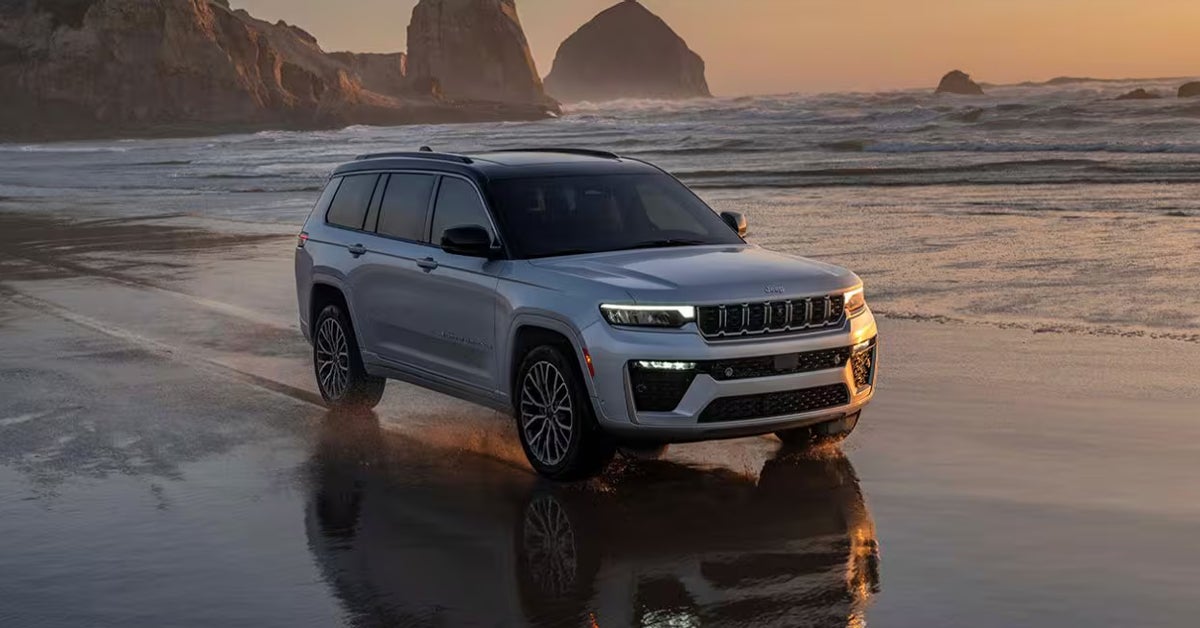
When drivers start asking, "Should I lease or buy my next car?" The answer usually becomes clearer once they understand how different each option really is in everyday use. It is not just about monthly payments but about ownership, flexibility, and long-term costs.A good way to think about it is how you plan to use the vehicle over the next few years. A family upgrading to a comfortable SUV like the Jeep Grand Cherokee may weigh convenience and short-term affordability, while others may focus on long-term value and full ownership.
Ownership and long-term control
- Leasing means you use the vehicle for a set term, then return it.
- Buying means the vehicle eventually becomes yours.
Monthly payments and upfront costs
- Leasing usually offers lower monthly payments.
- Buying typically requires higher monthly payments but builds equity.
Flexibility and usage limits
- Leasing comes with mileage limits and condition guidelines.
- Buying has no mileage restrictions or return conditions
Maintenance and long-term responsibility
- Leased vehicles are often under warranty during the lease term.
- Owned vehicles may require more maintenance after warranty coverage ends.
Putting it all together
- Lower payments and frequent upgrades
- Or long-term ownership and full control
Should I Lease or Buy My Next Car Based on My Driving Habits?
Your driving habits are one of the biggest factors in deciding between leasing and financing. The pros and cons of leasing vs. financing become clearer when you think about how many miles you drive, how often you switch vehicles, and how long you plan to keep your car.A performance vehicle like the Dodge Charger is a good example, since some drivers prefer short-term enjoyment with frequent upgrades, while others want long-term ownership and freedom to drive as much as they want.
When leasing may fit better
- Lower annual mileage
- Preference for newer vehicles every few years
- Lower monthly payments
- Short-term driving needs
When financing may be better
- High daily or long-distance driving
- Desire for full ownership
- No mileage limits or restrictions
- Long-term vehicle use
Simple takeaway
- Leasing suits lighter, short-term driving habits.
- Financing works better for heavy use and long-term plans.
What Are the Pros and Cons of Leasing vs. Financing a Vehicle?
When comparing options in a car lease vs. purchase guide 2026, the decision usually comes down to short-term flexibility versus long-term ownership. Both leasing and financing can make sense, but they serve very different types of drivers and financial goals.For example, a hardworking pickup like the Ram 1500 is often seen as a long-term investment for drivers who want durability and ownership, while others may prefer switching into newer models more frequently through leasing.
Pros of leasing a vehicle
- Lower monthly payments compared to financing
- Access to newer models more often
- Warranty coverage during most lease terms
- Less concern about long-term resale value
Cons of leasing a vehicle
- No ownership or equity built
- Mileage limits and potential overage fees
- Restrictions on modifications
- Costs continue if you keep leasing long-term.
Pros of financing a vehicle
- Full ownership once the loan is paid off
- No mileage restrictions
- Freedom to customize or modify the vehicle
- Potential resale or trade-in value
Cons of financing a vehicle
- Higher monthly payments
- Maintenance costs increase after the warranty ends
- Depreciation affects resale value.
- Larger upfront financial commitment
Quick takeaway
- Leasing prioritizes flexibility and lower payments.
- Financing prioritizes ownership and long-term value.
Is It Better to Lease or Buy a Vehicle for Long-Term Financial Value?
When asking if it is better to lease or buy a vehicle, the answer often depends on how long you plan to keep it. Leasing can save money in the short term with lower monthly payments, but buying typically provides greater value over time because you build ownership and eventually eliminate monthly payments.A vehicle like the Jeep Grand Cherokee can be a good example. Drivers who keep their SUVs for many years may benefit from ownership, while those who prefer upgrading regularly may appreciate the flexibility of leasing.
Long-Term Value Comparison
Buying may offer more value if you:
- Plan to keep your vehicle for several years
- Want to build equity through ownership
- Prefer no monthly payments after the loan is paid off
- Value trade-in or resale opportunities
Leasing may make sense if you:
- Like driving newer vehicles more often
- Prefer lower monthly payments
- Do not plan to keep the same vehicle long-term.
Quick Takeaway
- Leasing provides short-term affordability and flexibility.
- Buying often delivers stronger long-term financial value.
What Hidden Costs Should You Consider Before Leasing or Buying?
When comparing leasing vs. buying a car, it is important to look beyond the monthly payment. Both options can include additional expenses that affect the total cost of ownership over time.Whether you are considering a practical daily driver or a performance vehicle like the Dodge Charger, understanding these costs can help you avoid surprises later.
Common Costs to Consider
With leasing:- Mileage overage charges
- Excess wear-and-tear fees
- Lease-end disposition or turn-in fees
- Higher insurance requirements in some cases
- Higher monthly payments
- Maintenance and repair costs after the warranty expires
- Vehicle depreciation over time
Quick Takeaway
- Leasing may include fees related to mileage, condition, and lease return.
- Buying may lead to higher maintenance and depreciation costs over time.
What are the pros and cons of leasing a car?
A lease's main advantages are lower monthly payments, access to newer vehicles more often, and warranty coverage during most lease terms. The main disadvantages are that leasing does not build ownership, includes mileage limits, and may result in fees for excess wear and tear.Is it better financially to lease or buy a vehicle?
Buying a vehicle is generally better for long-term financial value because you build equity and can eventually eliminate monthly payments after the loan is paid off. Leasing may be more affordable in the short term because monthly payments are often lower.How does car leasing work near Johnstown, PA?
Car leasing allows drivers near Johnstown, PA, to use a vehicle for a set term, typically two to four years, while making monthly payments based largely on depreciation. At the end of the lease, the vehicle can usually be returned, purchased, or replaced with another leased vehicle.Does leasing a car build equity?
No, leasing a car does not build equity because you do not own the vehicle. Lease payments cover the vehicle's depreciation during the lease term rather than contributing toward ownership.What happens at the end of a car lease?
At the end of a car lease, you can typically return the vehicle, purchase it for a predetermined price, or begin a new lease. Additional charges may apply for excess mileage, wear and tear, or other lease-end fees.Explore Your Options at McCall Motors
Finding the right vehicle financing path starts with finding the right vehicle. Whether you are shopping from Johnstown, Altoona, State College, or Indiana, PA, McCall Motors offers a wide selection of vehicles to match different lifestyles, budgets, and driving needs. From the capability of the Ram 1500 to the versatility of the Jeep Grand Cherokee and the performance-inspired design of the Dodge Charger, our team is here to help you compare your options and make a confident decision.If you are continuing your research, be sure to explore our Ram 1500 trim levels, Jeep Grand Cherokee trims, and SUV comparison guide resources for additional insights on popular models and configurations. These guides can help you narrow down your choices and better understand which vehicle aligns with your driving habits and ownership goals.
When you are ready to take the next step, contact McCall Motors or visit our dealership to explore available inventory, discuss financing and leasing options, and schedule a test drive. Our team is committed to helping you find the vehicle and payment plan that fit your needs today and for years to come.
Get Directions to McCall Motors
Disclaimer: All information is provided for general informational and entertainment purposes only. While we strive for accuracy, we cannot guarantee that all content is complete, current, or error-free. Any reliance you place on such information is strictly at your own risk. This article may include opinions and is not endorsed by, or officially affiliated with, any vehicle manufacturer or brand. Always consult official sources – such as the vehicle’s owner’s manual, authorized dealerships, or certified professionals – for the most up-to-date and personalized information.